How Wisconsin's Swiss Lathes are Setting New Standards for Quality
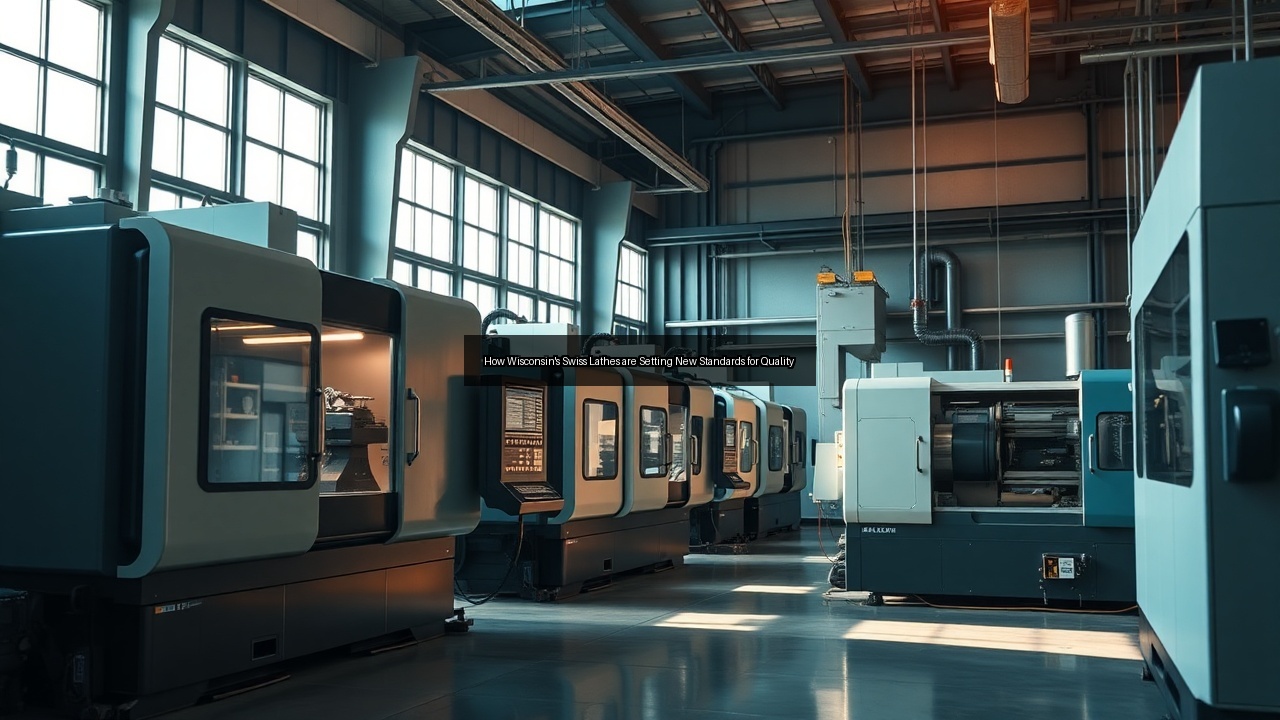
The Rise of Swiss Lathes in Wisconsin
Historical Overview of Swiss Machining in Wisconsin
Wisconsin has long been a hub for manufacturing, but the introduction of Swiss lathes marked a significant turning point in the state's machining landscape. The precision and reliability of Swiss machining techniques gained traction in the 20th century, particularly as industries sought higher accuracy in their components. Swiss lathes, known for their ability to produce intricate parts with minimal waste, found a welcoming home among Wisconsin's manufacturers. This technology, which originated in Switzerland, quickly adapted to meet the rigorous demands of the local aerospace, automotive, and electronics industries. Their adoption not only enhanced production capabilities but also helped establish Wisconsin as a leader in high-quality machined parts.
The Evolution of CNC Technology in Precision Machining
Computer Numerical Control (CNC) technology revolutionized traditional machining processes, including Swiss machining. The integration of CNC into Wisconsin's manufacturing sector allowed for greater control and precision in the production of complex components. Unlike conventional machining, CNC machining enables automated processes that enhance accuracy and reduce human error. The evolution from manual to CNC methods has significantly improved tolerances, allowing manufacturers to meet increasingly stringent specifications. As Wisconsin's industries embraced these advancements, the demand for CNC lathes and milling machines surged, propelling local businesses to adopt cutting-edge technologies and refine their production techniques.
Key Players: McCormick Industries and Their Impact
McCormick Industries stands out as a pivotal player in Wisconsin's precision machining sector. With a strong commitment to quality, McCormick has invested heavily in Swiss CNC machining technologies, positioning themselves at the forefront of the industry. Their expertise in CNC lathes and machining centers has set benchmarks for precision and efficiency. By focusing on quality assurance and continuous improvement, McCormick has not only enhanced their product offerings but also contributed to the overall reputation of Wisconsin's manufacturing landscape. Their innovations in deburring and polishing processes ensure that every machined part meets the highest standards, making McCormick an essential contributor to the state's economic growth.
Precision and Accuracy: The Hallmarks of Wisconsin's Swiss Machining
Understanding Tolerances in CNC Machining
Tolerances play a crucial role in the realm of CNC machining, especially in Swiss precision machining. The level of precision required in components can vary significantly across industries, but Wisconsin's manufacturers excel in achieving tight tolerances. These tolerances dictate how much deviation is acceptable during the machining process, impacting the overall functionality of the final product. For example, parts used in the aerospace industry must adhere to exceptionally strict tolerances to ensure safety and performance. With advanced CNC lathes, Wisconsin's machinists can consistently produce components that meet or exceed these standards, reinforcing the state's reputation for quality and reliability in precision machining.
The Role of CNC Turning and Milling in High Precision
CNC turning and milling are fundamental processes in Swiss machining that contribute to the high precision and accuracy of machined parts. CNC turning involves rotating the workpiece against cutting tools, allowing for the creation of cylindrical shapes with exceptional detail. Meanwhile, CNC milling employs rotating cutting tools to remove material from a stationary workpiece, enabling intricate designs and complex geometries. Both methods are essential in producing Swiss machined components that meet the demands of various industries. The combination of these advanced techniques ensures that Wisconsin manufacturers can deliver high-quality products tailored to specific customer needs, particularly in sectors where precision is non-negotiable.
Deburring and Polishing: Achieving the Perfect Finish
Deburring and polishing are critical finishing processes in Swiss machining that elevate the quality of machined parts. After the initial machining process, components often exhibit sharp edges or burrs that can affect performance and safety. Wisconsin's manufacturers utilize advanced deburring techniques to remove these imperfections, ensuring a smooth and safe surface. Polishing further enhances the appearance and functionality of parts, particularly in industries like electronics and optics, where aesthetics and performance are paramount. By investing in state-of-the-art deburring and polishing technologies, Wisconsin's precision machining firms guarantee that their products not only meet technical specifications but also shine in the competitive marketplace.
Industries Benefiting from Swiss Precision Machining
Aerospace Industry: Meeting Rigorous Standards
The aerospace industry demands the highest levels of precision and reliability in components, making Swiss machining indispensable. Wisconsin's manufacturers have risen to the challenge, producing machined parts that meet the stringent standards set by aerospace authorities. Swiss precision machining techniques enable the creation of lightweight yet robust components essential for aircraft performance. From engine parts to structural elements, the accuracy achieved through CNC machining ensures safety and efficiency in flight. As the aerospace sector continues to grow, Wisconsin's commitment to quality and innovation in Swiss machining positions the state as a vital player in this high-stakes industry.
Telecommunications: The Need for Precision Components
The telecommunications sector relies heavily on precision components to ensure seamless communication and connectivity. Wisconsin's Swiss machining capabilities provide the accuracy needed for manufacturing intricate parts used in telecommunications equipment. From connectors to circuit boards, the precision achieved through advanced CNC processes reduces the risk of failures and enhances overall system performance. As telecommunications technology evolves, the demand for custom precision machining continues to rise. Wisconsin's manufacturers are well-equipped to meet this demand, delivering high-quality machined parts that support the growth and innovation of the telecommunications industry.
Automotive Industry: Enhancing Performance through Swiss Machining
The automotive industry has embraced Swiss precision machining as a means to enhance vehicle performance and safety. Wisconsin's manufacturers produce a wide range of machined components, from engine parts to complex transmission systems. The ability to achieve tight tolerances through CNC turning and milling ensures that every part fits perfectly within the vehicle assembly, reducing wear and improving longevity. Additionally, the focus on quality control and innovative machining techniques enables Wisconsin's automotive suppliers to stay competitive in a rapidly evolving market. As the industry shifts toward electric and autonomous vehicles, Wisconsin's expertise in precision machining positions it well for future growth and development.
Electronics and Optics: The Cutting-Edge Applications
The electronics and optics industries benefit significantly from Wisconsin's Swiss precision machining. The need for high-quality machined parts is critical in the production of devices ranging from smartphones to advanced optical instruments. Wisconsin manufacturers excel in creating components that meet the exacting standards of these high-tech sectors. The combination of advanced CNC technology and skilled craftsmanship allows for the production of intricate designs that enhance functionality and performance. As technology continues to advance, the demand for precision machined components in electronics and optics will only grow, solidifying Wisconsin's role as a leader in these cutting-edge applications.
Future Trends in Wisconsin's Swiss Machining Landscape
Innovations in CNC Machining Centers
The future of Wisconsin's Swiss machining landscape looks promising, with continuous innovations in CNC machining centers. These advancements enhance production capabilities, allowing for faster processing times and improved accuracy. Manufacturers are increasingly adopting multi-axis CNC lathes and milling machines that enable the creation of complex geometries in a single setup, reducing production time and costs. As technology evolves, Wisconsin machinists will leverage these innovations to push the boundaries of precision machining further, ensuring they remain competitive in a global market.
The Growing Demand for Custom Precision Machining
Custom precision machining is on the rise, driven by the diverse needs of various industries. Wisconsin manufacturers are responding to this trend by offering tailored solutions to meet specific customer requirements. This focus on customization allows companies to differentiate their offerings and address niche markets effectively. As businesses seek unique components to enhance their products, Wisconsin's expertise in Swiss precision machining positions it well to fulfill these demands. The ability to deliver high-quality, custom machined parts will play a crucial role in the state's manufacturing success moving forward.
Sustainability Practices in Swiss Machining Technologies
Sustainability is becoming increasingly important in manufacturing, and Wisconsin's Swiss machining sector is no exception. Companies are adopting eco-friendly practices to reduce waste and energy consumption during the machining process. From implementing advanced recycling programs to utilizing energy-efficient CNC machines, Wisconsin manufacturers are leading the charge in sustainable practices. These efforts not only benefit the environment but also appeal to customers who prioritize responsible sourcing. As the industry moves toward more sustainable operations, Wisconsin's commitment to innovation and quality will ensure it remains a leader in Swiss precision machining.